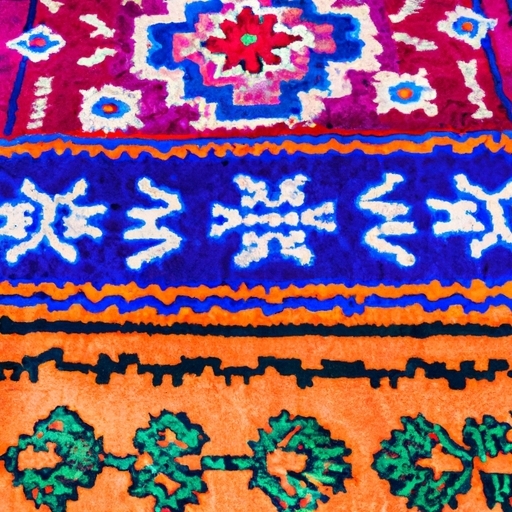
The largest Native American tribe was (the) Cherokee! At the time of their first contact with Europeans in the 16th century, they were estimated to have had 60,000 members. This population eventually increased to an estimated 22,000 by 1721. Their territory spanned from present-day North Carolina to Tennessee and Georgia.
However, as white settlers moved westward following the end of the Revolutionary War, relations between Native Americans and whites became increasingly strained. The Cherokee were forced out of their ancestral lands in what is now known as the Trail of Tears – a tragic period in history that saw thousands of Cherokee lose their lives during the journey westward to Oklahoma.
Moreover, after arriving in Oklahoma many Cherokee found themselves living on reservation land without access to adequate healthcare or education. As a result, most Cherokees were unable to find employment and lived in poverty for generations.
Nevertheless, despite these adversities, the Cherokee people have maintained a strong sense of identity and culture that persists today. In fact, there are still over 700 tribal groups spread throughout North America who identify themselves as being part of this ancient nation. Furthermore, they continue to practice traditional ceremonies and celebrate important cultural events such as festivals and pow wows – which attract people from around the world every year!
In conclusion, though once facing significant adversity due to displacement from their ancestral homelands and living conditions on reservations – today's modern Cherokees are a proud people with a rich cultural heritage that continues to thrive throughout North America!
The largest Native American tribe in history was the Cherokee. They were a strong, brave people who endured and even thrived through their struggles with European settlers. Their population peaked at an estimated 20,000 members in the early 1700s! However, with the signing of the Treaty of New Echota in 1835, many Cherokee were forcibly removed from their homelands to what is now known as Oklahoma. This event has come to be called “The Trail of Tears” because of all the suffering endured by those forced to march so far away from their homes.
In spite of these atrocities, the Cherokee have remained resilient and determined to keep their culture alive. From language preservation initiatives to establishing tribal governments, they've made amazing strides over the years; especially considering that they are one of five tribes that survived colonization! Even today, there are still around 300,000 citizens who identify as Cherokee throughout North America.
Furthermore (transition phrase), many famous individuals have been proud members of this tribe including actor Wes Studi and writer Sequoyah – inventor of the written syllabary for their native language! The legacy left by this incredible group will continue to live on and serve as a reminder about what can be achieved when we stand together. No matter how difficult times may become, we must not forget our past!
The largest Native American tribe prior to European contact was the Cherokee. They were located in the southeastern United States, stretching from Tennessee to North Carolina and Georgia. The Cherokees lived in a complex society with many different clans, each of which had its own leaders and responsibilities. (Their) villages were often situated along rivers or streams, making it easy for them to travel and trade between each other.
What made the Cherokees such an influential tribe was their ability to adapt and thrive despite changing cultural circumstances. As new technologies arrived with European settlers, they quickly adopted these tools in order to better survive their environment. For example, they cultivated maize and hunted game using rifles rather than traditional bows and arrows! This allowed them to become one of the most powerful tribes in the region at that time.
Additionally, the Cherokees had a rich spiritual tradition which included beliefs about animism and ancestor worship. This spirituality was so powerful that when Europeans attempted to force assimilation upon them, they still managed to retain much of their culture through oral traditions passed down from generation to generation - even today some ceremonies are still practiced by Cherokee people!
Moreover, the Cherokee language is considered one of the few surviving indigenous languages in North America due to its unique versatility; it has been used as a literary language since 1781! Through this language, stories have been preserved which detail their history up until modern times.
Overall, it's clear why the Cherokee were able to become one of the most influential Native American tribes before European contact: Their ability to adapt and embrace new technologies while also holding onto age-old customs enabled them not only survive but thrive despite changing cultural circumstances! Thus, we can see how this remarkable group left a lasting impact on our nation's history.
The largest Native American tribe was the Sioux! (Also known as Lakota or Dakota). Their culture and customs were varied and diverse. They had a matrilineal society where women were in charge of day-to-day life. Marriage was not the norm for them, but rather they would often form a type of informal union with other members of their tribe. This included sharing resources and responsibilities between both parties.
Their spiritual beliefs were centered on animism, or the belief that all objects contain a spirit. As such, they held particular reverence for nature and natural phenomena such as thunderstorms, which they believed signified the presence of sacred beings. The Sioux also practiced shamanism and performed various rituals to commune with these spirits.
They lived a nomadic lifestyle, hunting buffalo and other game across vast plains in what is now Nebraska, South Dakota, North Dakota and Montana. The Sioux constructed many earth lodges made from wood poles covered with grasses and animal skins for shelter during their travels. They also created beautiful artwork featuring animals native to their region like bison, deer, eagles etc., which are still admired today!
The Sioux were known for their fierce warrior culture – especially when it came to protecting their land from outside forces like settlers looking to colonize the area – making them one of the most formidable tribes in North America at that time! Additionally, they developed an extensive trading network amongst themselves as well as neighbouring tribes allowing them to exchange goods over long distances without having to travel too far away from home!
It's clear that the Sioux had an impactful legacy on North America due to their unique cultural practices and customs; leaving behind a lasting impression on those who encountered them!
The largest Native American tribe was the Cherokee Nation. They spoke the Cherokee language, and lived in what is now known as North Carolina, Georgia, Tennessee, Alabama and Kentucky. The Cherokee Nation was composed of many towns; each village had its own chief who answered to a single head chief (or Principal Chief). By the late 19th century, however, Cherokees were forced off their land by white settlers; this relocation became known as 'the Trail of Tears', due to the enormous loss of life it caused!
In spite of this awful event they endured, the Cherokee people still managed to keep their culture alive. They continue to speak their ancestral language today and practice traditional ceremonies. The Cherokee also have an extensive written literature that includes both myths and legends. Even after being forcibly removed from their homeland, they remain proud of their identity and heritage!
Furthermore, Cherokees are very involved in contemporary society too; many serve in the military forces or work for professional organisations such as universities. Despite all they've been through (and are still going through!), this tribe never lost hope nor relinquished its strong sense of community. Indeed, even today we can see how much spirit there is within them - something that exclamation mark us all!
The largest Native American tribe, prior to European contact, was the Cherokee. Their population stretched through what is now Georgia and North Carolina and into Tennessee and Alabama. They had a thriving culture that revolved around hunting, fishing, gathering berries and plants, and trading with other tribes for goods they did not have or make themselves. But the introduction of Europeans brought with it a plethora of changes to their way of life!
The first effect was disease; smallpox, influenza, malaria and other illnesses were brought by Europeans which decimated entire Cherokee villages in only a few months time. This caused an immense loss of life as well as a disruption in the cultural practices of the tribe. Secondly, language barriers created difficulties when trying to communicate between native languages and English or French (which were two popular languages at this time). Consequently, many misunderstandings occurred during negotiations between indigenous people and settlers leading to fomentation of conflict.
Thirdly (and most significantly) came displacement; native people were forced off their land by Europeans who wanted to claim it for themselves. Entire communities were torn apart as families found themselves on different sides of newly formed borders. The Treaty of New Echota in 1835 saw thousands relocated from their ancestral lands in what is known today as 'the Trail Of Tears'.
It's clear that European contact had a devastating impact on the Cherokee people- one that still affects them today! In conclusion, we must remember our history so that we can learn from it and ensure nothing like this ever happens again!
The largest Native American tribe is the Cherokee Nation, with a present day status and population size of over 300,000 people! It's an incredible feat for a people who were originally forced to relocate from their ancestral lands in the Southeastern United States during the Trail of Tears in 1838.
However, despite this hardship, the Cherokee have endured and continue to thrive today. They have developed strong cultural traditions and are very proud of their heritage. The tribe has also established many businesses such as casinos, restaurants, and hotels that generate economic prosperity for both members of the tribe and non-tribal citizens alike.
Furthermore, they have achieved political power through government contributions to federal programs such as healthcare and education. Moreover, they have been able to preserve their language through courses taught at schools on reservation land, as well as online language classes offered by tribal leaders. (This) demonstrates how far the Cherokee Nation has come since its relocation almost 200 years ago!
In conclusion, it is clear that although much adversity was faced by the Cherokee Nation throughout its history, it has persevered and now stands as one of America's largest tribes with a vibrant culture that continues to grow in strength every day!
The largest Native American Tribe was the Cherokee Nation! This tribe was located in what is now known as Georgia, Tennessee, Alabama, and North Carolina. (They) were a dominant force in the region for a long time. They had their own language and culture which was passed down through generations of Cherokee people. The Cherokee Nation also had an established government structure with laws and regulations that they followed.
Despite being a powerful force in the area, they eventually fell to white settlers who took over their land. The federal government then forced them to march on what would come to be known as the Trail of Tears in order to relocate them further west into Indian Territory (now Oklahoma). This devastating event marked the end of Cherokee sovereignty and resulted in thousands of deaths due to hunger and exhaustion along the way.
Furthermore, this tragic chapter of history also saw many members of the tribe lose their lives due to disease and conflict with other tribes during this time period. Overall, it is clear that despite their valiant efforts, the largest native american tribe-the Cherokee Nation-would not be able to survive against such overwhelming odds! Still today, many members of this tribe are still trying to reclaim some semblance of their former glory by preserving traditional customs and celebrating cultural heritage.
In conclusion, it goes without saying that no words can describe just how much loss was endured by this once great nation; yet at the same time we must remember its legacy so that future generations will never forget its significance! Truly remarkable how one group could have such an immense impact on our past yet still manage to endure until present day - a true testament to strength and resilience!